
Training and Safety Tip: Listen to your airplane

Training and Safety Tip: Listen to your airplane

Article supplied by AOPA. I knew the furnace in my condo was going to fail. One day, out of the blue, it just sounded different. It wasn’t alarming, or squeaky, or even particularly noisy. Just different. Naturally, the landlord thought I’d lost my mind. He couldn’t hear anything “wrong.”

But I knew something was wrong. In four-and-a-half decades of flying airplanes, I’ve learned to listen to machines when they talk, and the furnace was telling me that something had changed deep in its mechanical innards.

While all machines “talk,” I’ve found that airplanes are particularly good communicators, especially when they aren’t feeling well. And, like their human pilots, airplanes can communicate verbally, nonverbally, or by written communication.

Starting with verbal communication, airplanes speak in the sounds they make. Sometimes it’s a change in pitch or volume of a noise they’ve always made. Sometimes it’s a new noise. Or sometimes an old noise goes away. The wise pilot listens to the airplane.

But if you don’t listen, the next thing the airplane will do is reach out and shake you to get your attention. Nonverbal airplane communication includes new vibrations, changes in baseline vibrations, or shifts in the tactile response of the controls. Be alert for those, too.

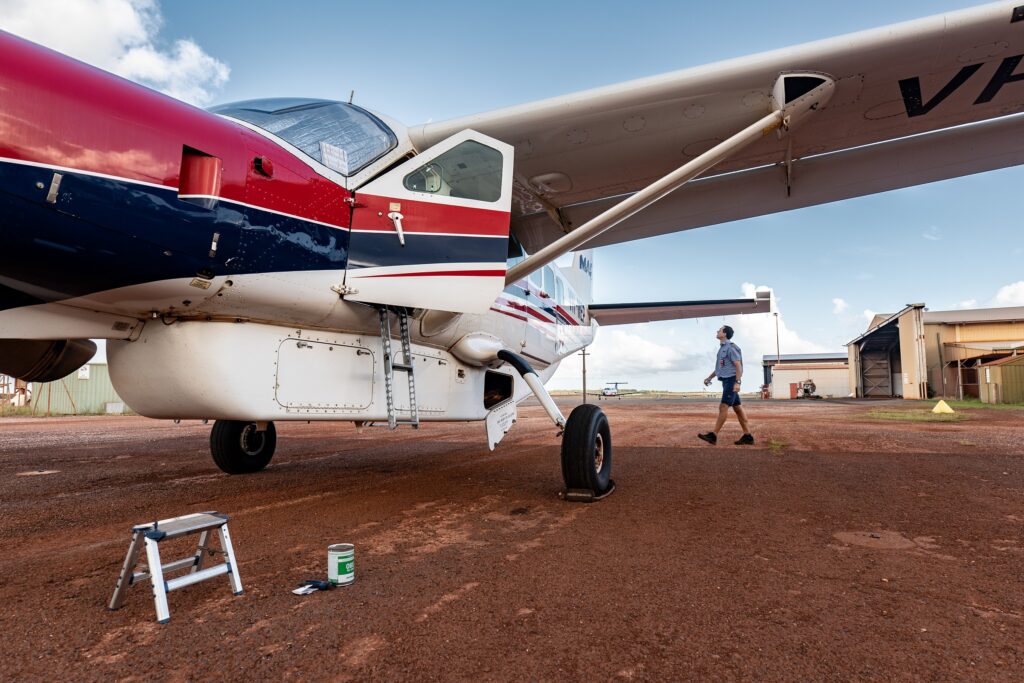
If that still fails to get your attention, an airplane will often give up direct communication and just leave you a note. It might be in the form of exhaust streaks on the cowl, small puddles of fluid on the tarmac, or breadcrumbs of gunk in the fuel sump.

And today, many airplanes have another way of talking to us: engine monitors and engine indicating systems. They can reveal changes in temperatures, pressures, fuel flow, electrical output, and other parameters—sometimes before there are obvious sounds, vibrations, or visible clues. Knowing what “normal” looks like on these displays, and paying attention when something changes, can help demystify what the airplane is trying to tell you.

Of course, listening is only half of communication. For true communication, you also need to know the speaker’s language. If someone comes up to you on the street and starts babbling away in a language you’ve never heard before, you have no idea if they are asking you for directions, or if they’re trying to alert you that your fly is open.

As a new pilot, you learn to speak Airplane by diligently studying systems. The better you understand your systems, the quicker you pick up the language and can interpret what the airplane is telling you.

And what happened with the furnace? I could hear it talking… well, whispering… but while I’m fluent in Airplane, and can get by okay in Car, I don’t speak Furnace at all. We couldn’t communicate because I didn’t understand what it was saying.

Two months later, the poor thing up and died.
Homeland clinics exemplify help, hope and healing in Arnhem Land

Homeland clinics exemplify help, hope and healing in Arnhem Land

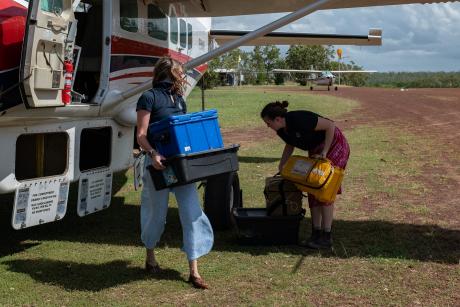
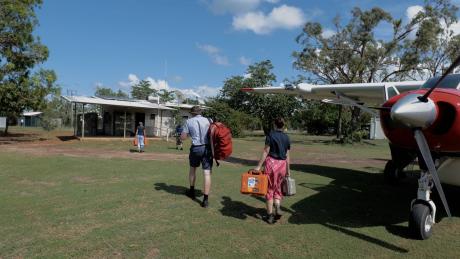
MAF flights enable Laynhapuy Health nurses to bring consistent healthcare directly to Arnhem Land homeland communities, in terrain where clinic operations and health treatment are challenged by vast distances, extreme weather, and limited vehicle access.

Story by Janne Rytkönen

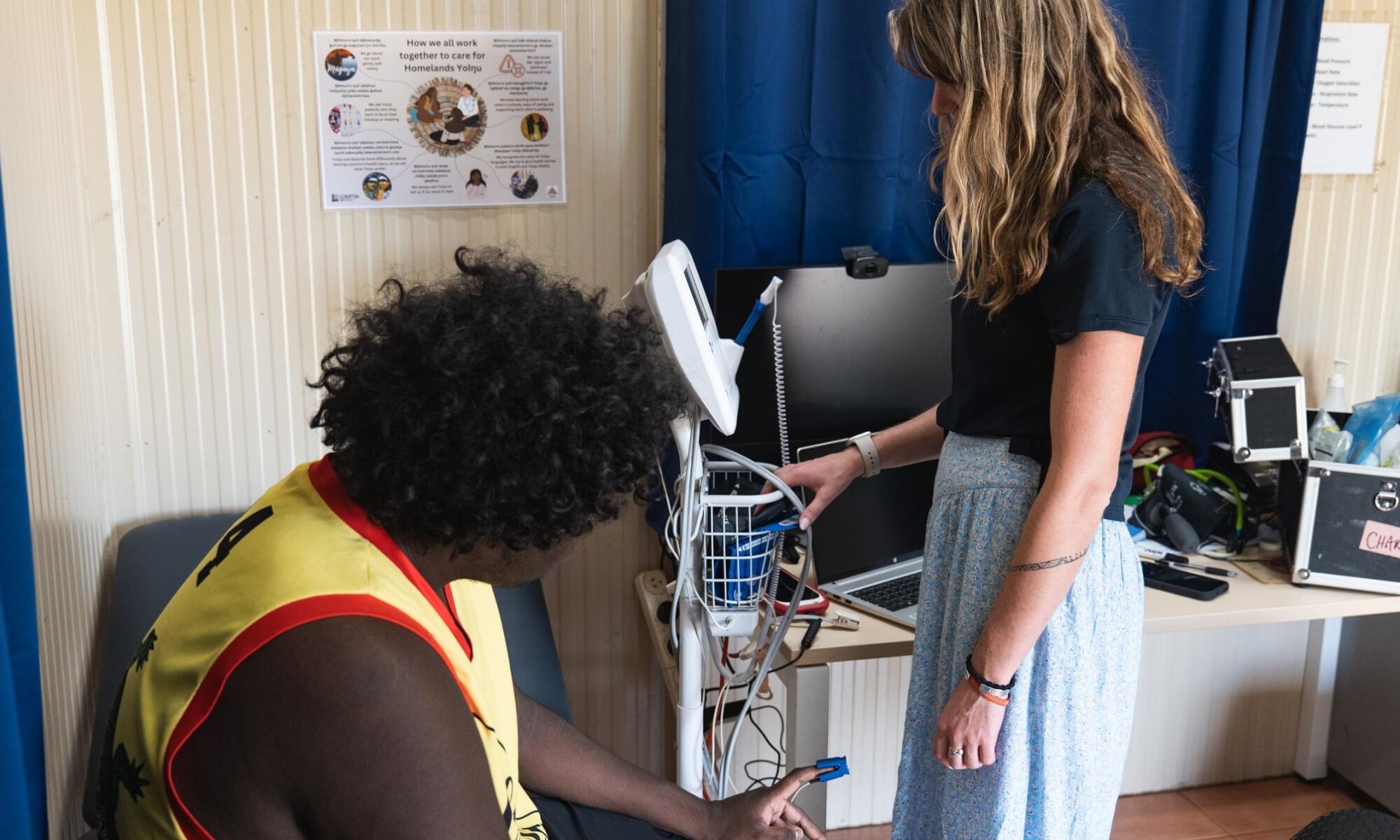
Remote Nurse Danya Gobius travels to the homelands several times a week in her work for Laynhapuy Aboriginal Community Controlled Health Services (Laynha Health).

For Danya and her colleagues, patient consultations range from scheduled check-ups and routine immunisations to acute cases needing rapid evacuation for conditions that cannot be treated in the simple homeland clinics.

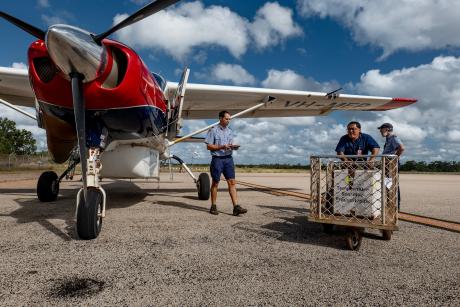
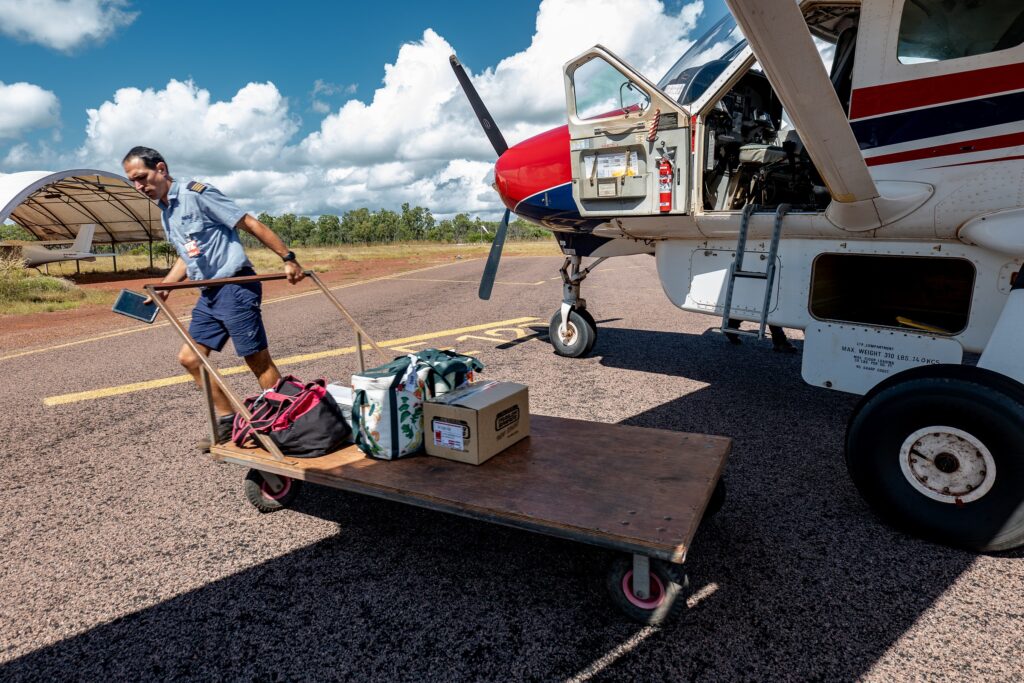
People unloading plasctic tubs from aircraft

Photo credit: J Rytkonen

People carrying fraight from aircraft across lawn

Photo credit: J Rytkonen

On a typical clinic visit, Danya says, “We’ve come out and seen a few people and given a few immunisations and worked through their health profiles to see what they need.
“There’s a few acute follow ups from previous hospital admissions, as well as following up on blood results, collecting blood if we need to, and seeing anything acute that comes through the door from people that have been waiting to see a nurse.”

Without regular clinics, many people would miss out on the health checks and medications that are vital in managing chronic conditions such as type 2 diabetes and cardiovascular and renal disease, which are prevalent in the region.

Aviation is absolutely imperative, especially during the wet season.

— Danya Gobius

If a telephone connection is available, the nurses can get advice from a network of general practitioner doctors who provide consultations remotely.

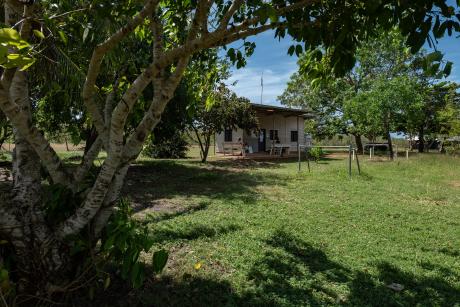
When travelling overland, Laynha Health staff stay in remote services accommodation in some of the homelands and visit several locations on the way.
 

Small corrugated iron community clinic building surrounded by lawns and trees

Photo credit: J Rytkonen

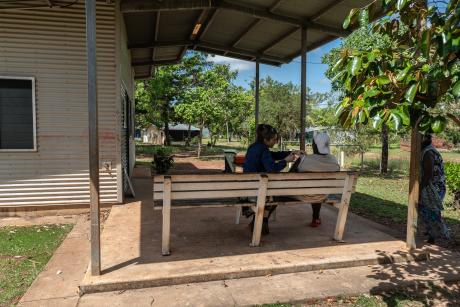
Small in the dsitance a nurse giving immunisation shot to patient

Photo credit: J Rytkonen

However, the severely corrugated and rutted tracks across Arnhem Land take a toll on vehicles and humans, and in the long wet season, flying is the safer and more efficient option for travel.

“Aviation is absolutely imperative, especially during the wet season,” said Danya.

“I think that being on the ground for a good amount of time is only possible through flying.

“Driving, you can spend time and stay overnight, but it’s quite limited, and driving is also quite hard emotionally and physically.”

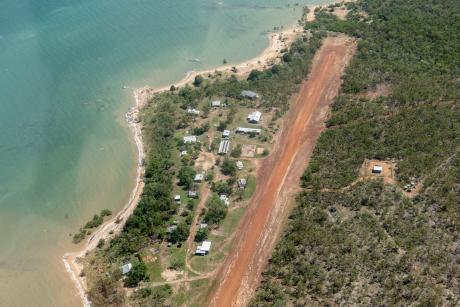
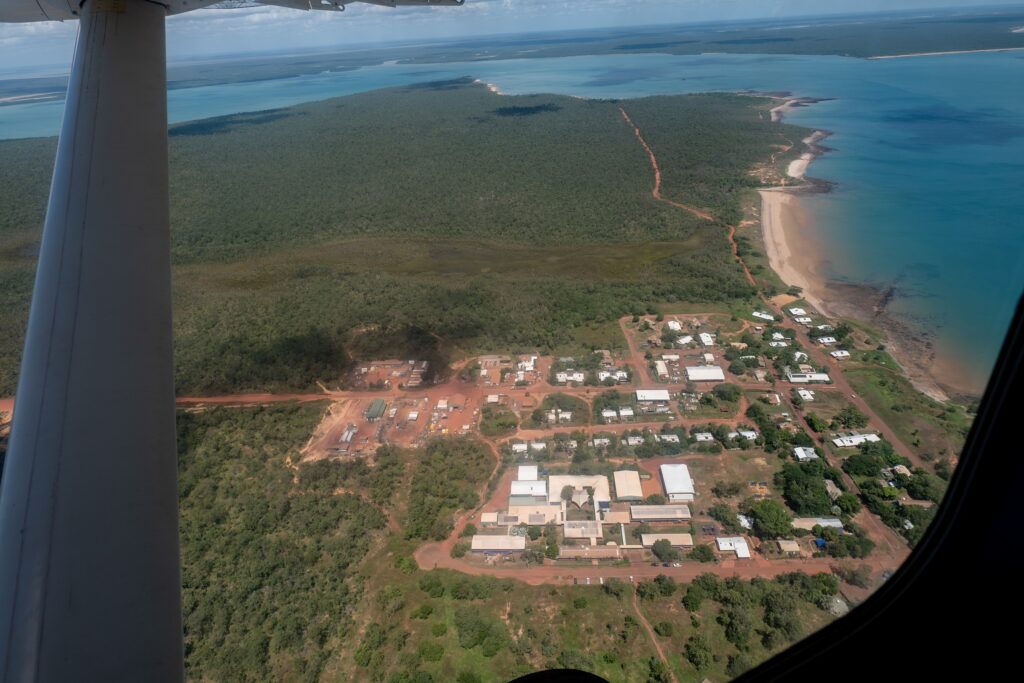
aerial view of a small community of houses by a beach

Photo credit:J Rytkonen

Garrthalala homeland

For Arnhem Land pilot Ethan McMaster, the clinic flights exemplify MAF’s mission.

“It doesn’t get much more tangible in terms of physical aid for someone than flying nurses out so that they can do checkups and preventative work.

“You’re literally flying nurses and medicine into these communities. I really appreciate how tangible it is.”

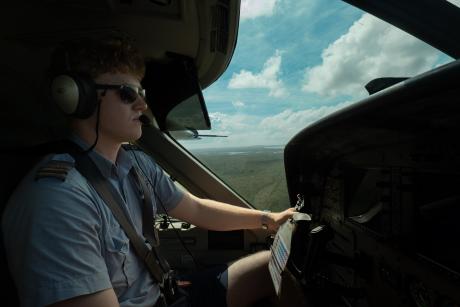
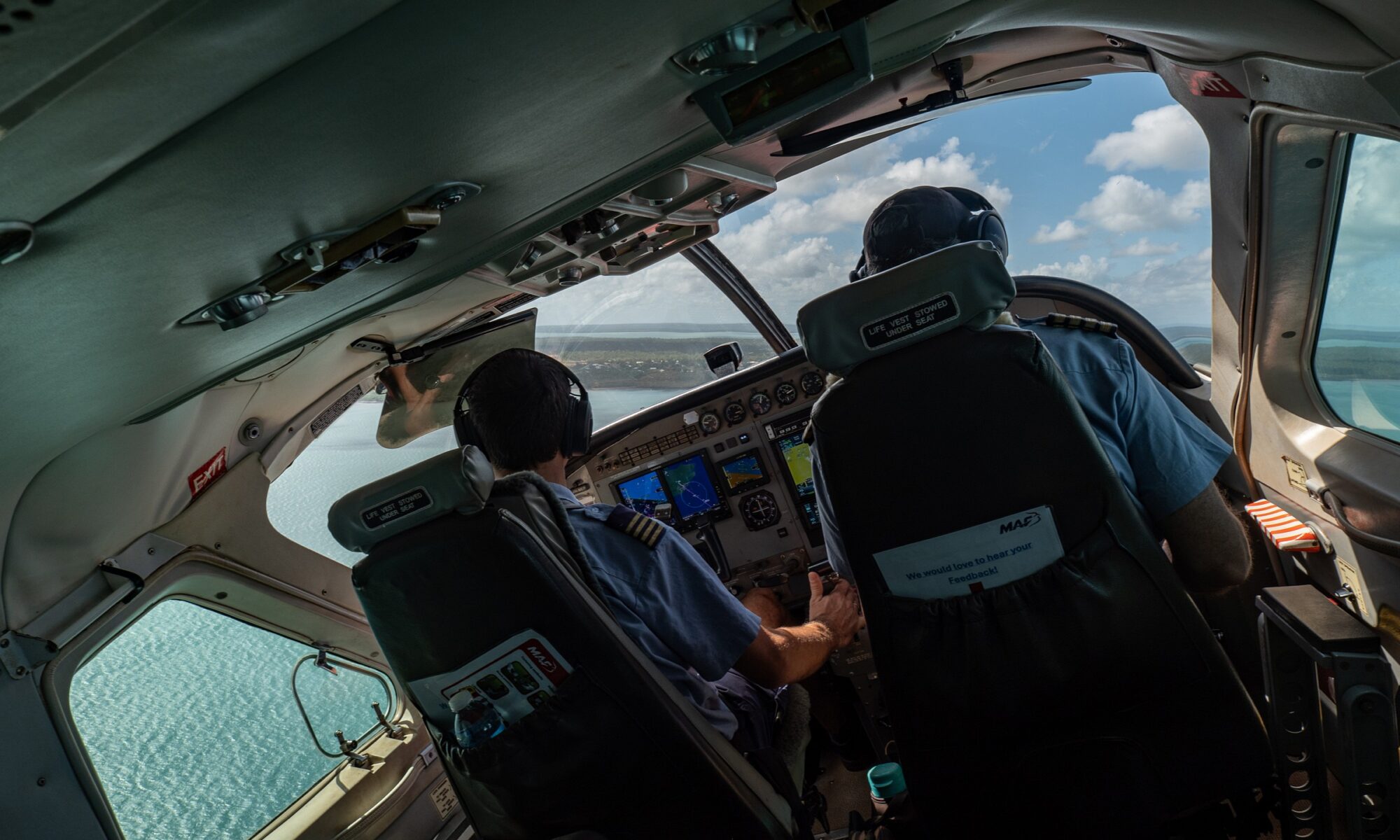
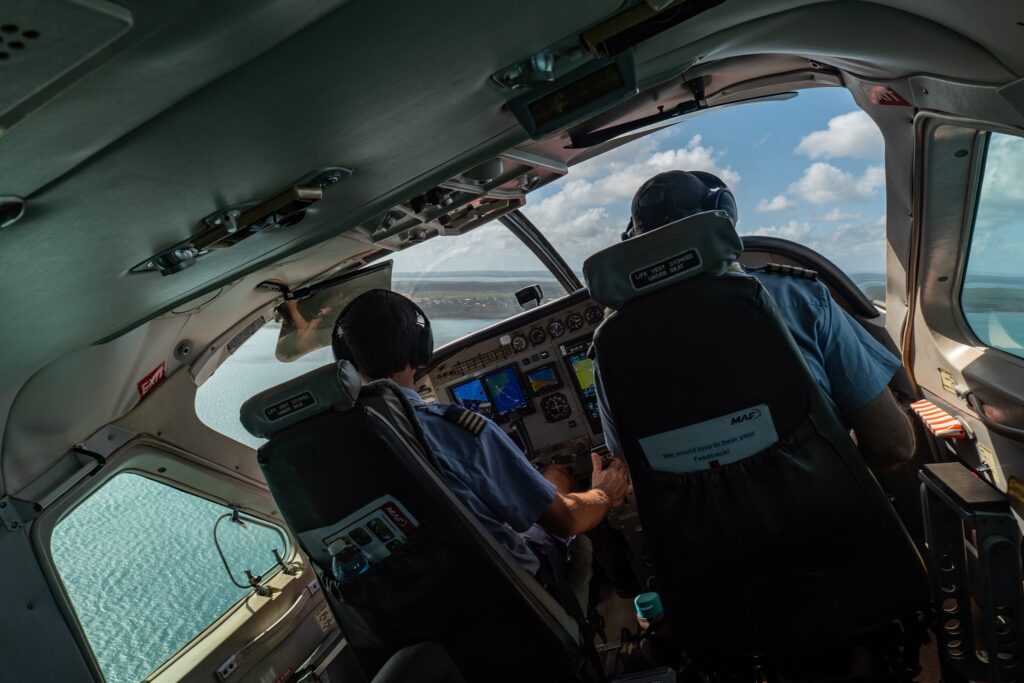
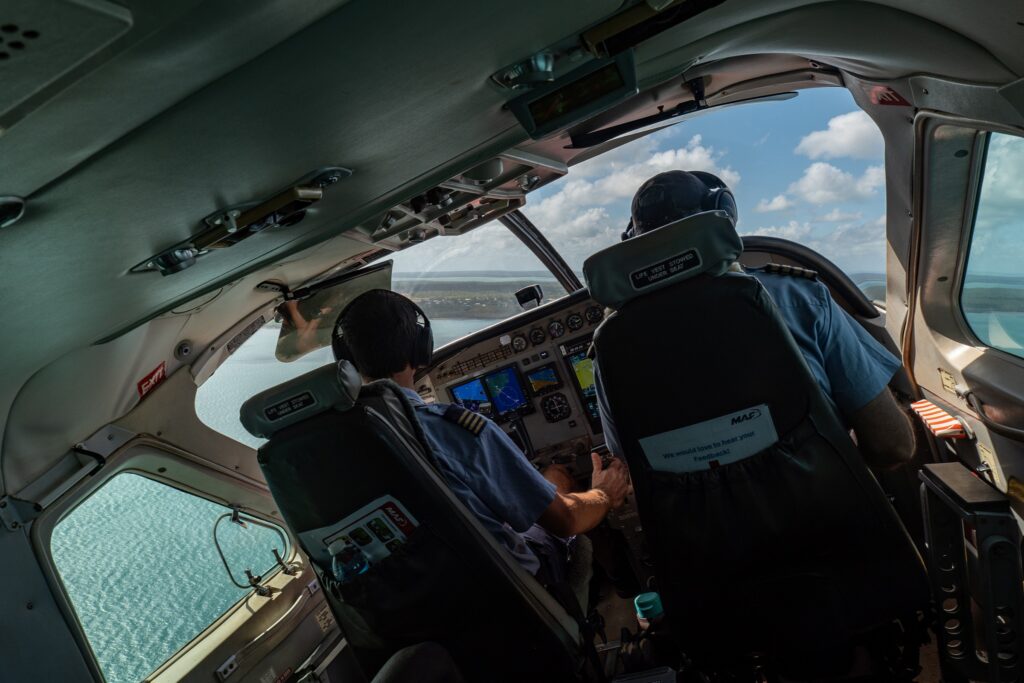
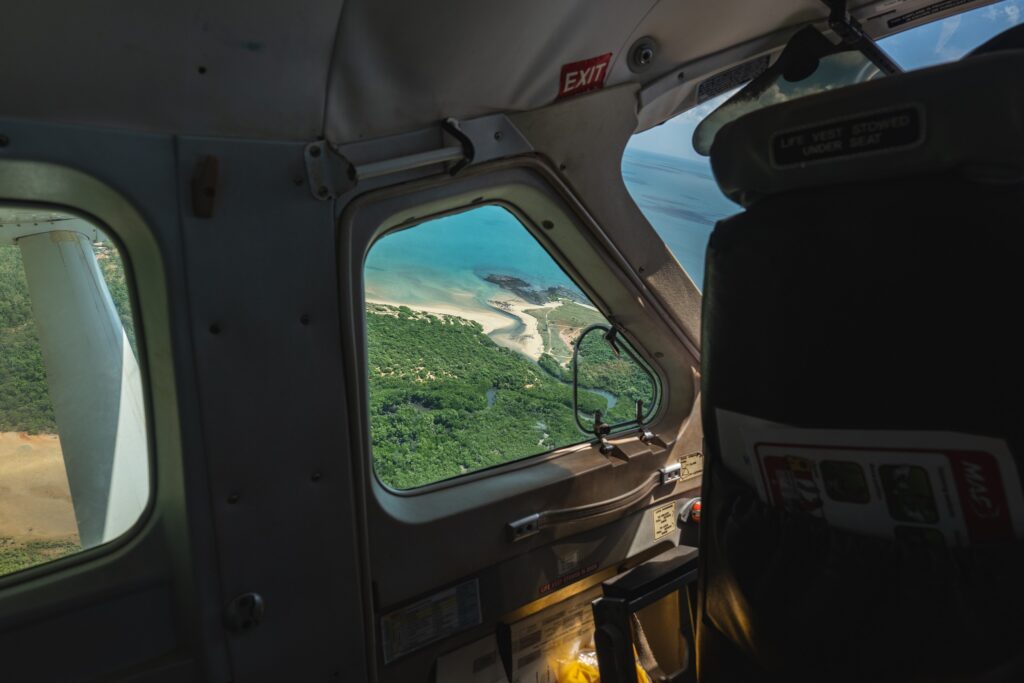
Cockpit interior pilot flying

Photo credit: J Rytkonen

Arnhem Land pilot Ethan McMaster

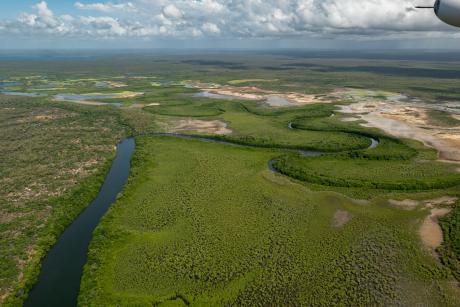
aerial view of wetland scenery

Photo credit: J Rytkonen

Rhonda says “Thank you for saving my life”

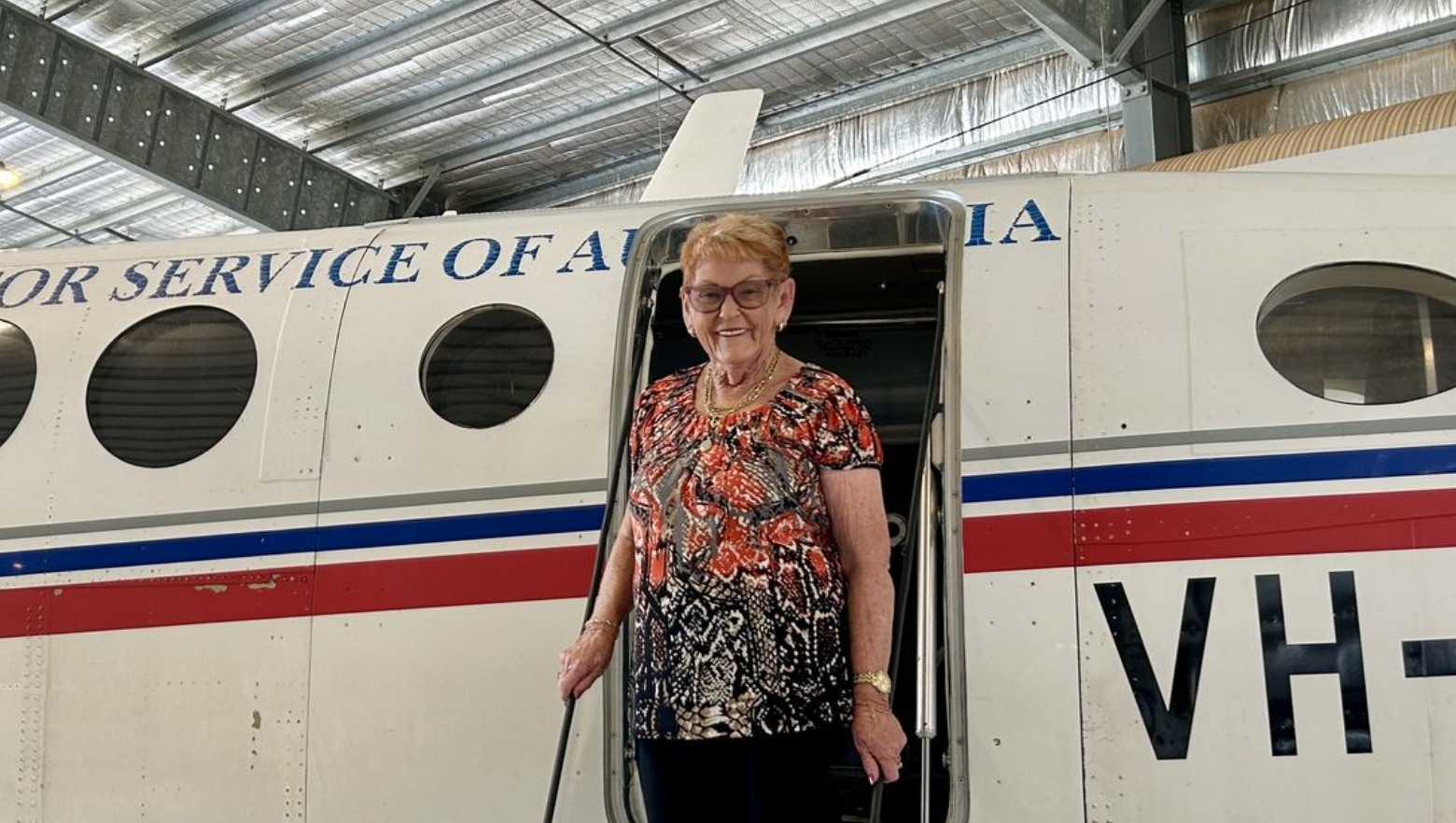
Rhonda at Broken Hill base. RFDS article

Article supplied by RFDS. When Rhonda returned to visit our Broken Hill base, gratitude and joy filled her heart. She is alive today because you proudly support and care for people just like her.

Back in April 2022, Rhonda arrived at Broken Hill Hospital fighting for her life, suffering multi-organ failure and in cardiac arrest. Nursing staff were trying to resuscitate Rhonda when they called the Flying Doctor.

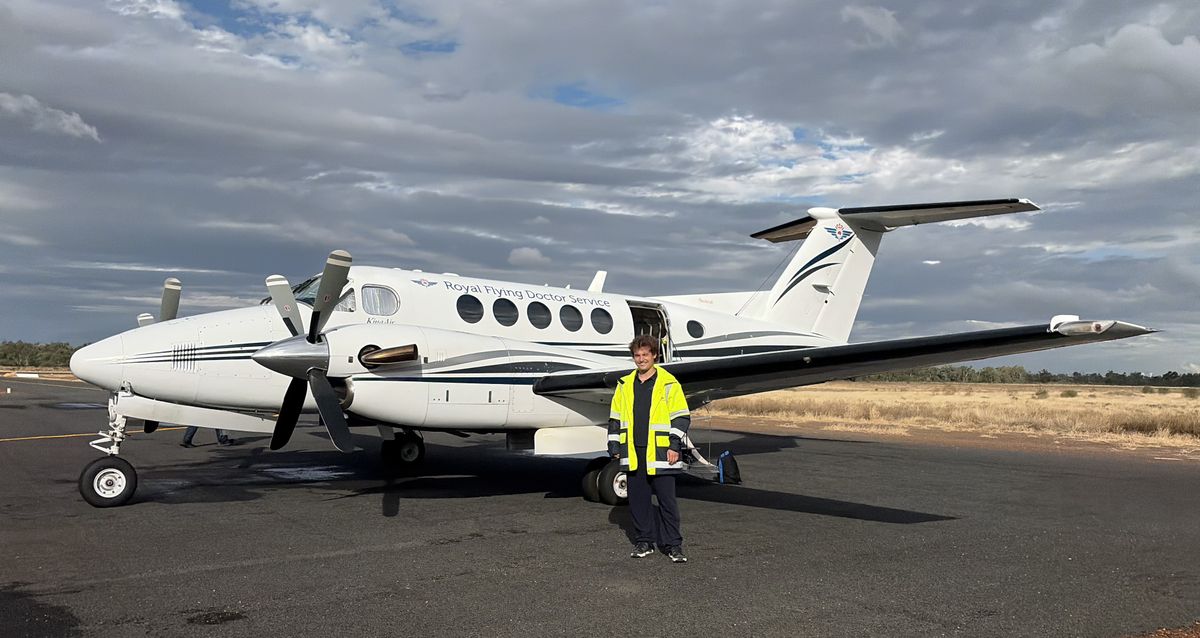
Because of the critical care Rhonda received then, which saved her life, she was recently able to do something quite unique. She visited our base and went into an aircraft, just like the one in which she was taken to Adelaide, and met the pilot who flew her safely back home to her family.

It was a full-circle moment for Rhonda, an opportunity to say thank you, in person, to the people who gave her a second chance at life. “I was overwhelmed to be in the plane, to be told what equipment saves lives and saved me. I mean, without you guys and all that equipment, I wouldn’t be here,” Rhonda said.
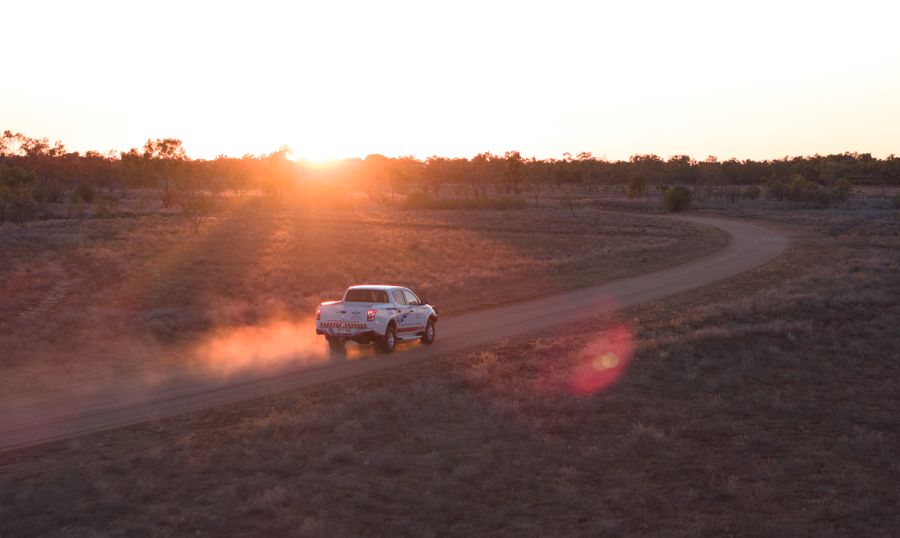
For our team, these moments matter just as much. Our staff care deeply about the patients they help and always welcome the chance to meet them again, to see how their story continues, and share in the sense of closure and healing that comes with it.
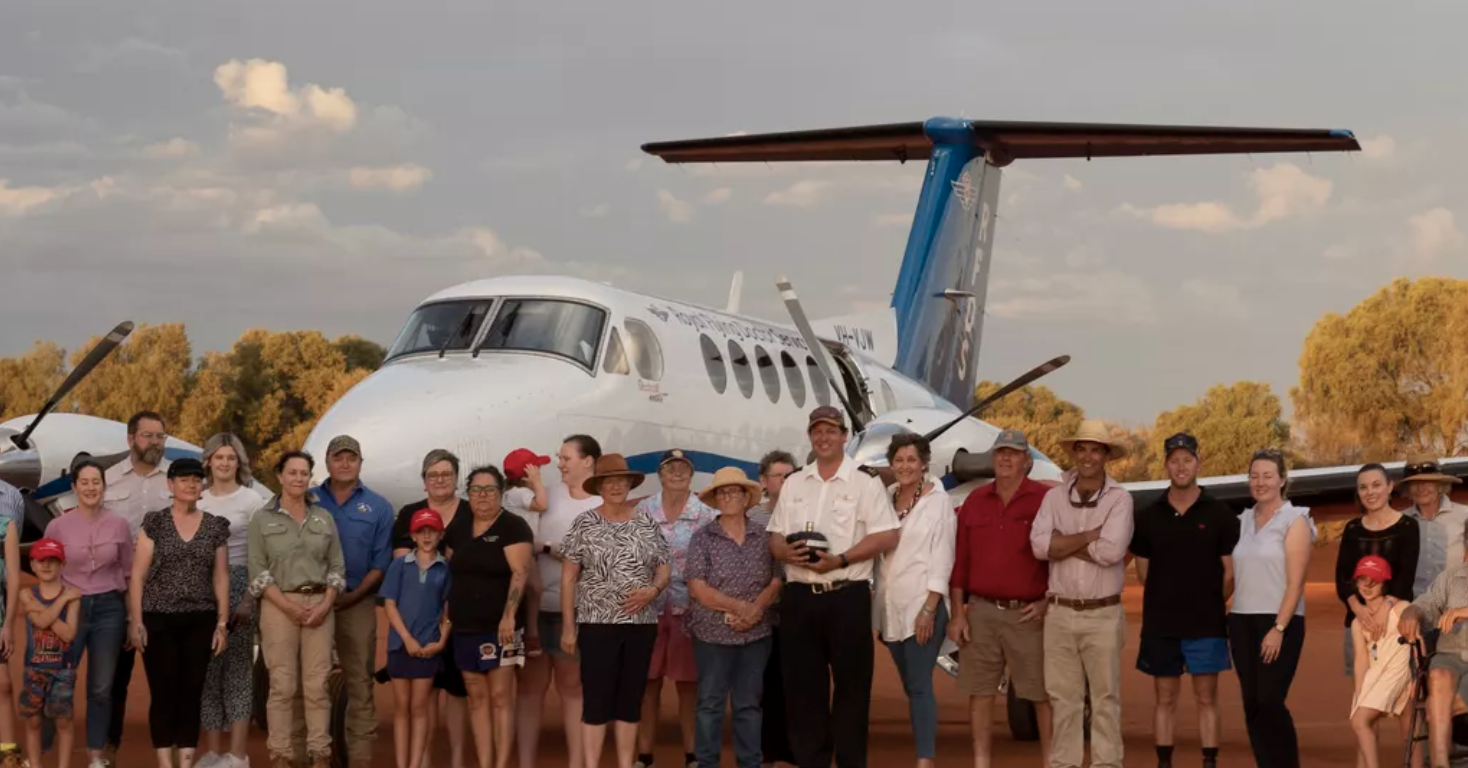
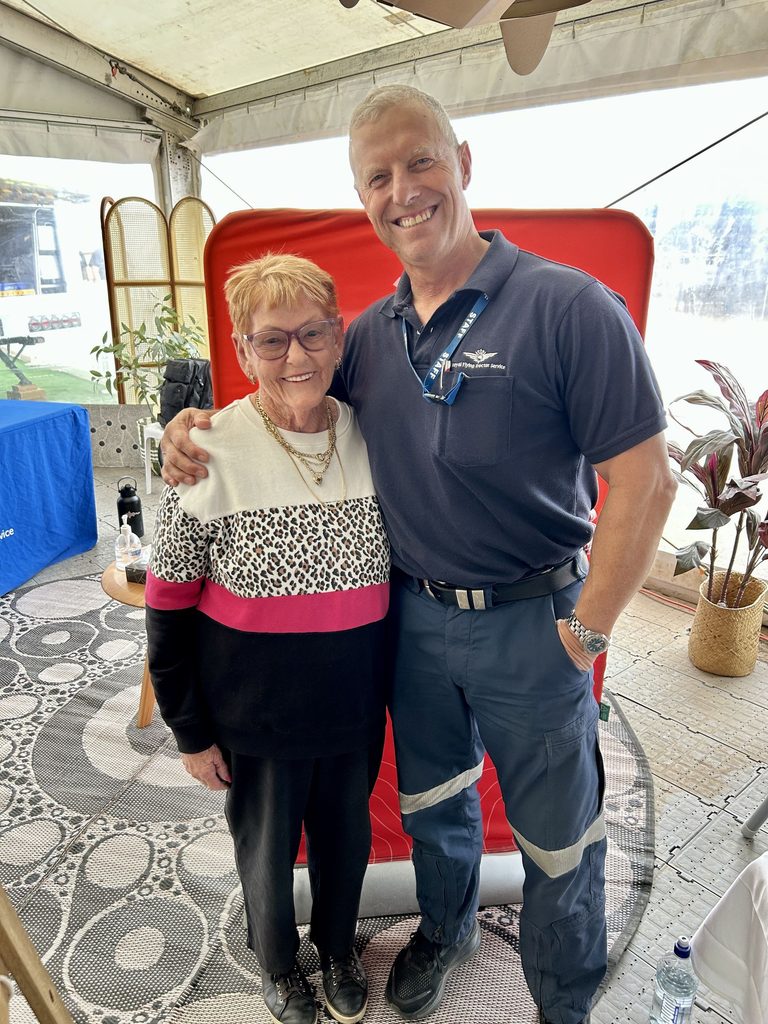
“To look at the plane and meet Pilot Paul (image below) was just my best day. It’s so important to donate, to keep beautiful people like these flying.”

It’s hard to put into words the difference you’ve made. The care you helped provide changed the course of Rhonda’s story. Thank you for your incredible kindness.

Getting to work on a flight over treacherous waters

Article supplied by MAF Arnhem Land. As the only scheduled regular public transport provider in East Arnhem Land, MAF plays a central role in connecting isolated people to health and housing services.

Story by Janne Rytkönen

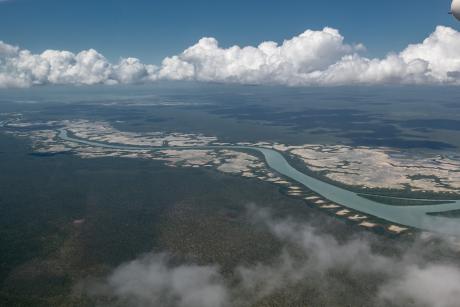
Winding rivers and mangrove-lined creeks carve the East Arnhem Land coastline into a maze of islands and convoluted promontories, requiring long detours by track for travellers driving between communities that are relatively close as the crow flies. And those crossing to a nearby island may have to plan carefully to catch a periodic charter barge if one is available. 

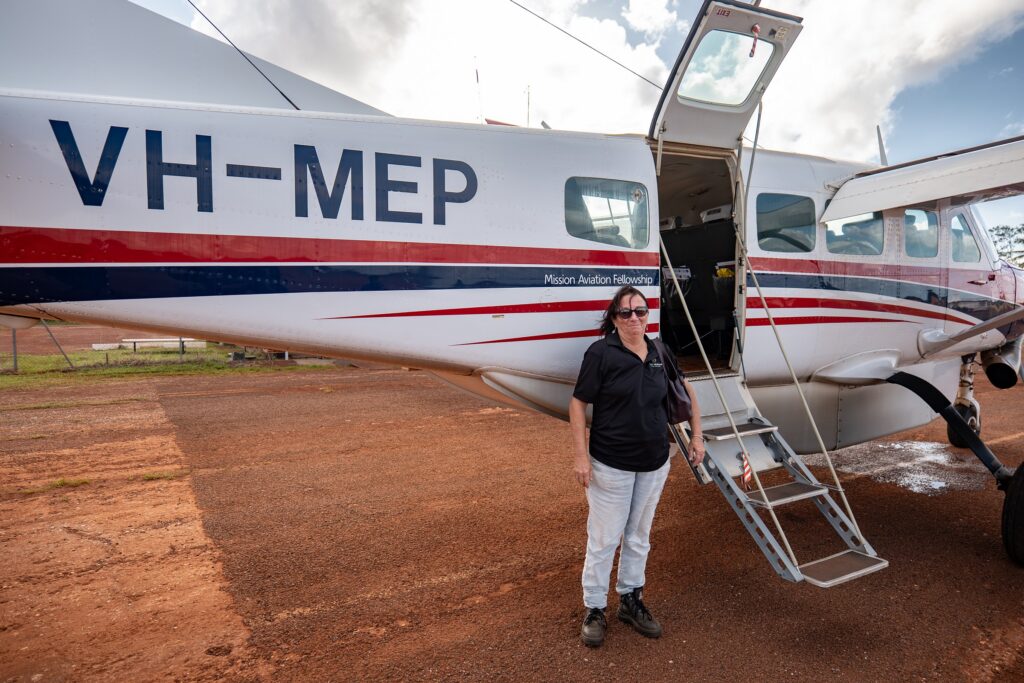
Today, Sharon Yunupingu, Operations Manager of a Community Housing Organisation (CHO) for East Arnhem Land Real Estate, is travelling to Milingimbi, an island surrounded by shifting sandbars and crocodile-infested, shallow tidal waters that can run like a river at peak flow.

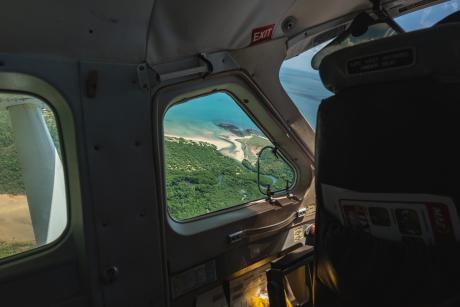
Aerial view of creek and ocean

“Without MAF, I can’t get to my job because most of it is an island,” said Sharon.  “Galiwinku is an island. Milingimbi is an island, so I can’t get there otherwise.

“I rely on MAF services on a weekly basis to get to and from my workplaces.”

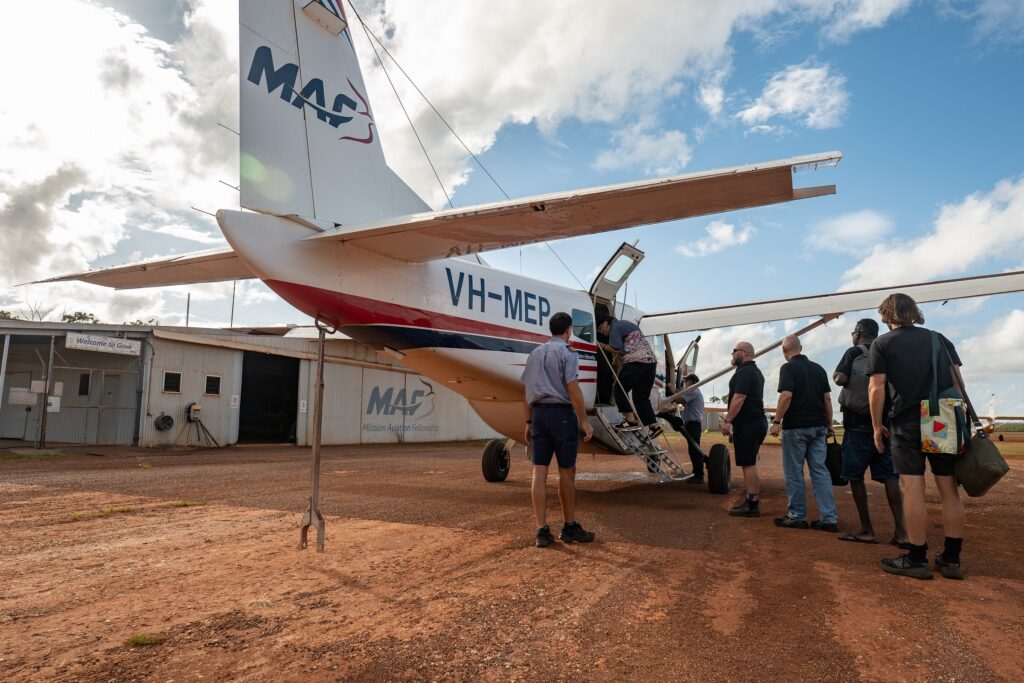
MAF’s regular public transport (RPT) service allows residents to catch these flights like city-dwellers might catch a local bus.

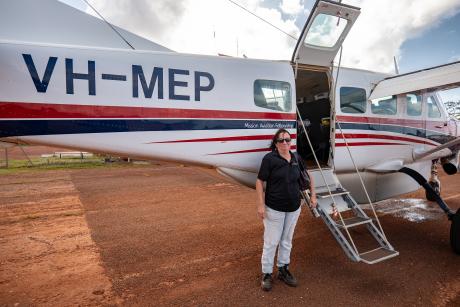
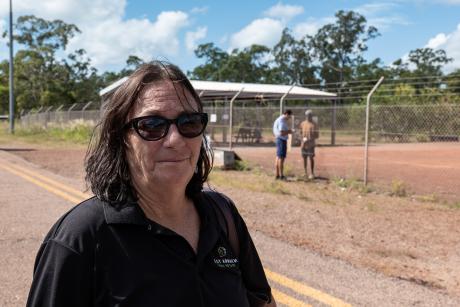
Woman in front of aircraft on aiprort tarmac

Sharon Yunupingu, Operations Manager of a Community Housing Organisation (CHO) for East Arnhem Land Real Estate said “Without MAF, I can’t get to my job because most of it is an island”.

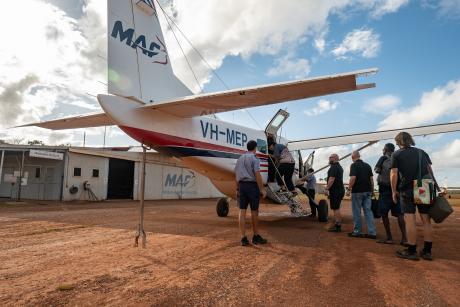
Passengers boarding aircraft

The RPT service departs from Gove Airport.

However, this service is much more than just a convenient way to get from A to B in a region where land travel is over bone-jarring bush tracks that are often impassable in the wet season.

The scheduled routes and fixed prices enable community and healthcare organisations to consistently deliver a broad range of vital services to residents of the isolated communities in this remote corner of Australia.

“The funding would run out if we had to use charters, they’re pretty expensive,” said Sharon.

In her role, Sharon doesn’t just let and manage houses. She helps to deliver the Northern Territory Government’s Living Strong programme, for which East Arnhem Land Real Estate is the local provider.

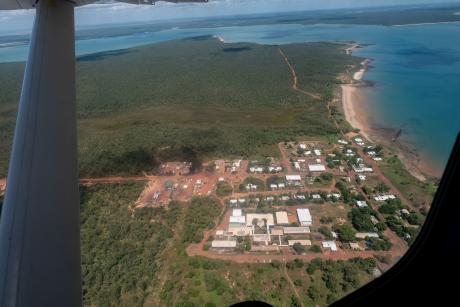
Aerial view of a small settlement by the seaside

Milingimbi has a population of approximately 1100 residents.

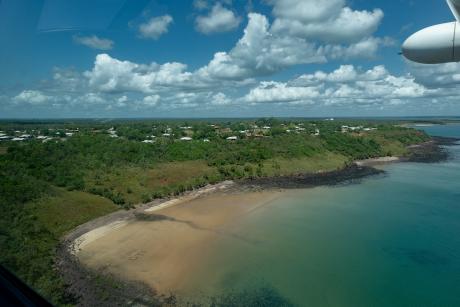
Aerial view on approach to small settlement by seaside

Part of Galiwin’ku on approach to the Elcho Island Airport.

Living Strong is a tenancy support programme for indigenous housing in the remote communities of Northern Territory.

“We have a contract with the government, and we employ local Yolngu people,” Sharon said.

“It’s my job, as the operations manager, to ensure that our work is being done to satisfaction, so I go out there to support our Yolngu people in the region.”

Sharon sees secure and clean housing as an important ingredient in the mix of public health measures in the region.

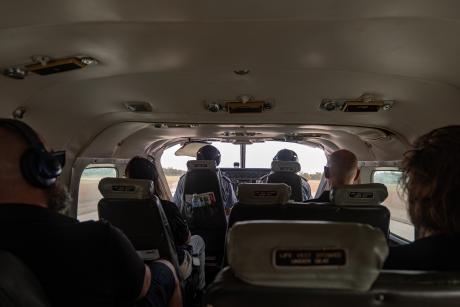
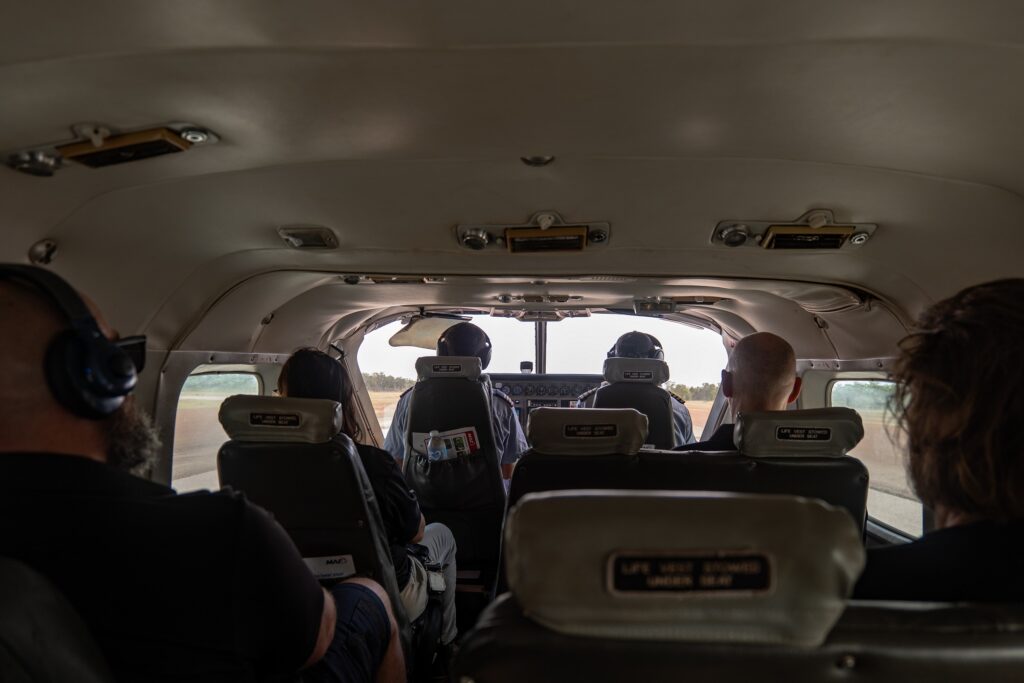
Interior view of passengers in aircraft cabin

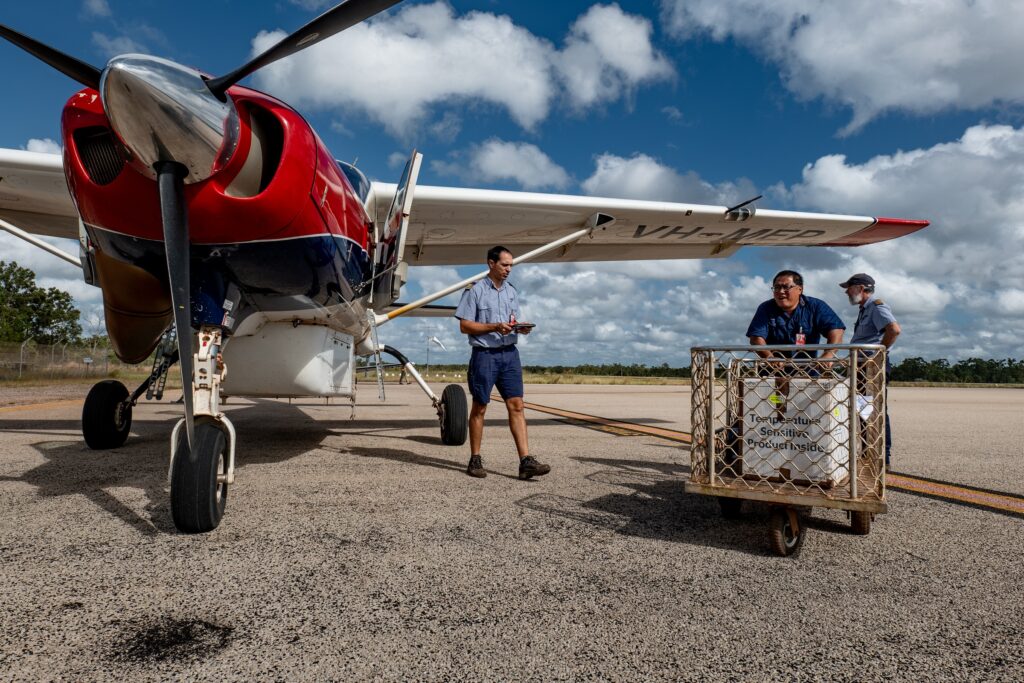
Unloading aircraft on airport tarmac

Offloading clinic freight at Gapuwiyak (Lake Evella) Airport. (L-R) Phil Techand, Imli Jamir, Steven Biggs.

“It’s really rewarding to see that the families are taking control and doing the right thing in their houses, because this is about their health, and we need to work on that,” she said.

“I’m not the expert in that area of health, but one thing I know is, you know, when we have a rough house, then we need to get it cleaned.”

Sharon will spend a week in Milingimbi before catching a flight with MAF back to Nhulunbuy.

Despite the fixed route and schedule, that flight might sometimes make a detour at short notice.

“MAF is a very generous place,” said Sharon. “When I’m out there travelling, sometimes the pilot will say, ‘Do you mind? We need to stop off at this outstation because these people need to get from A to B.’

“You really see what MAF does for people out here in a remote area. I’ve never seen anybody say, ‘No, we’re not going there. That’s not part of the travel plans.’

Woman looking into camera on airport tarmac

Aerial view of tidal river

[/vc_column]

Skilled, self-sufficient, in the air by 7.30am: life as an Outback dentist

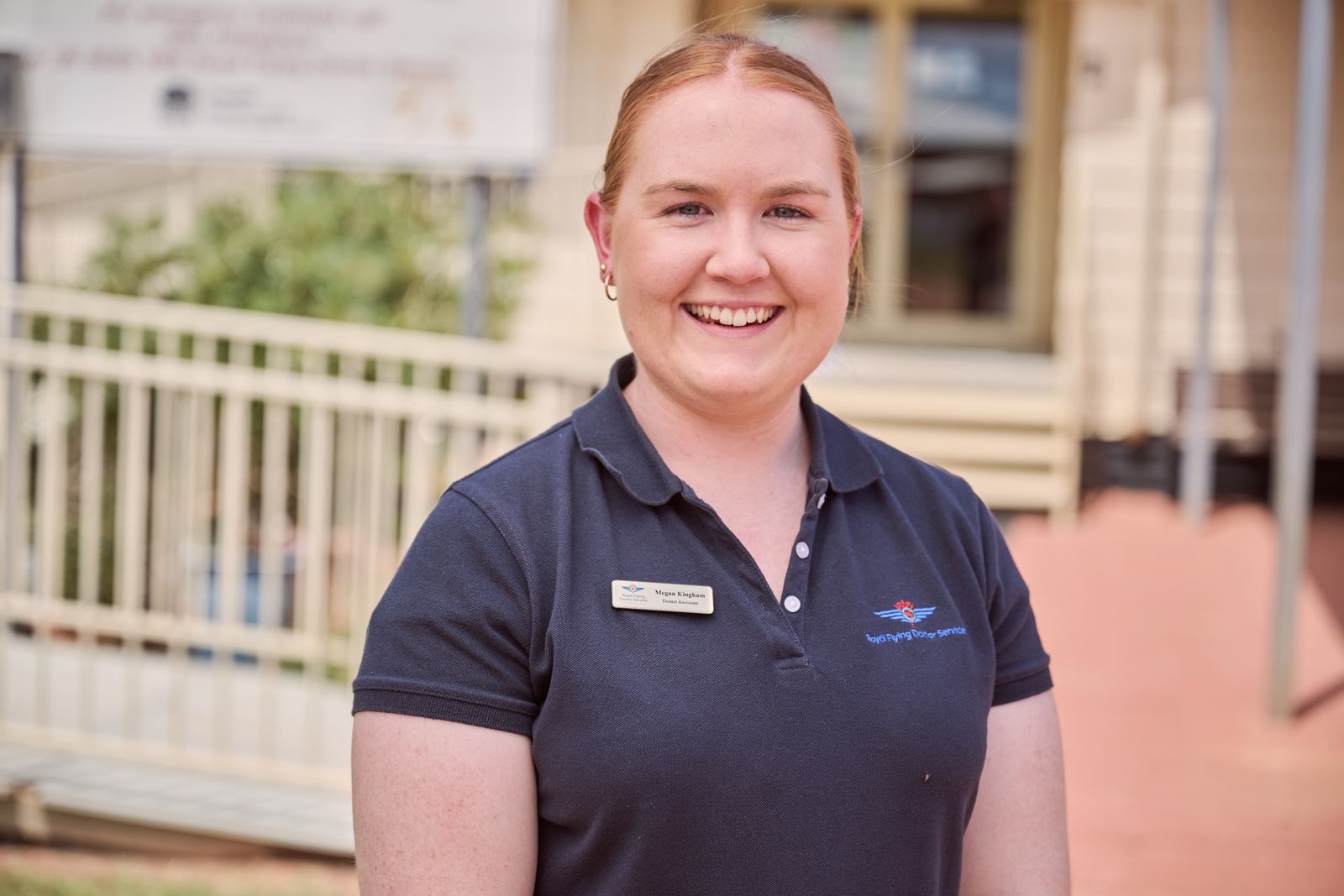
Megan Kingham

How RFDS dental teams keep the Outback smiling, ahead of Dental Health Week (3–10 August)

No two days look the same when your clinic is a plane trip from the nearest town – and that’s exactly what RFDS dental teams are trained and equipped for.

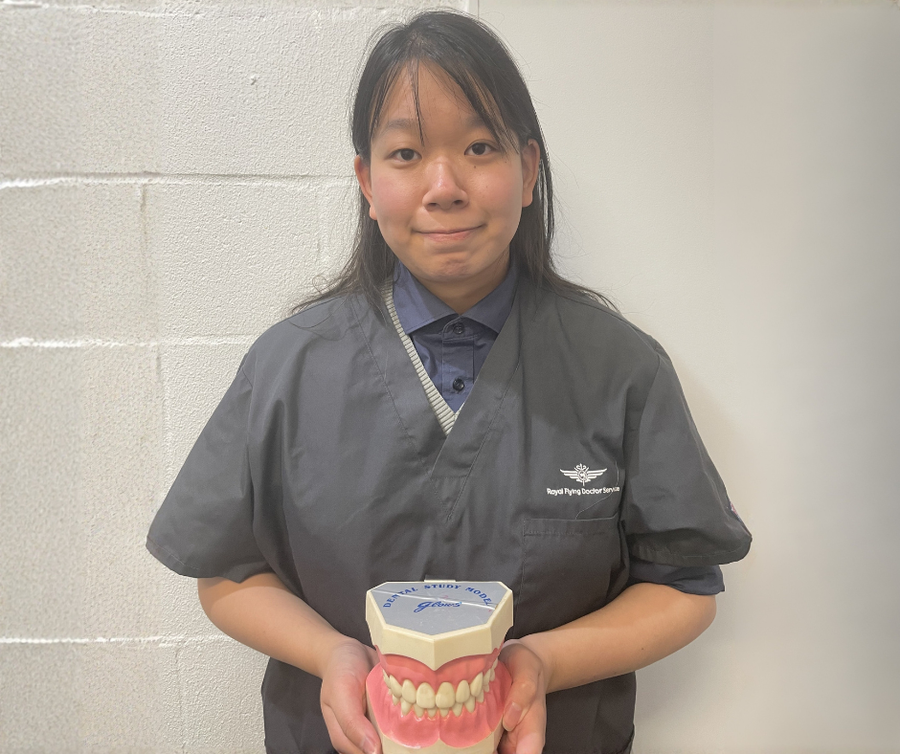
“Working in rural and remote communities often requires adaptability, resourcefulness, and the ability to make sound clinical decisions with limited resources,” says Lead Dental Assistant Megan Kingham, who’s been with the Royal Flying Doctor Service since 2024. “I have learned to think on my feet and improvise.”

It’s this kind of on-the-ground capability that sets RFDS dental care apart from anything you’d find in a city practice. As part of RFDS’s primary care program, a specialist dental van and fly-in fly-out (FIFO) clinics deliver routine and vital oral health services to communities where the nearest dentist might otherwise be a full day’s drive away.

We spoke to three of the people who make it happen.

A wider scope of practice

FIFO Dentist Sam Lawton, who flies into remote locations on a two-week on-off roster, says the tyranny of distance forces you to broaden your skill set fast.

“Specialists are often expensive and located far away. I’ve become much more confident in my skills, as oftentimes we need to perform specialist procedures ourselves” – procedures that would routinely be referred out in a metro practice, where a follow-up appointment is a phone call away rather than a plane trip.

For Sam, an Australian working holidaymaker, the role has become one of the highlights of his career. “This role has given me the chance to see more of the country while meeting and helping people in regional and remote communities. By far it’s the most interesting experience of my dental career, and something I’ll cherish for the rest of my life.”

Prevention starts in the classroom

Regular check-ups are one of the biggest challenges facing rural communities – the further you live from a dentist, the harder it is to catch problems early. Dubbo-based Oral Health Therapist Xiaochuan Yang tackles this by taking oral health education directly into remote schools, separate from clinical check-ups.

“In larger schools, oral health education happens chairside. We talk with children, sometimes with their parents together, about brushing, diet, oral hygiene routines and what they understand about looking after their teeth,” Xiaochuan says. Seeing up to 30 students in a single school day between 9am and 3pm is no small undertaking, and dental assistants rotate through school visits to share the load.

Sam agrees education is the long game. “From my experience, some older patients aren’t aware of how often they should brush their teeth. That’s why educating children about good oral hygiene from a young age is so important.”

On the road for check-ups

Xiaochuan’s school visits regularly reach Lightning Ridge, Collarenebri and Bourke, as well as smaller communities including Burren Junction, Pilliga and Enngonia, depending on service schedules and local need. Even harder-to-reach communities like Tilpa and Louth get a visit up to four times a year, and the team regularly provides dental services at the Macquarie prison.

A typical day starts early – at Base by 7am, in the air or on the road in the dental van by 7.30am – with the team seeing between six and eight patients before flying home around 5.30pm. In the most remote locations, an overnight motel stay is part of the job. Each visiting team is made up of two dental assistants, an oral health therapist and a dentist, sometimes joined by members of the primary health team.

The moments that make it worthwhile

Ask any of the three what sticks with them, and it’s rarely the technical work – it’s the roo runs before take-off, homemade ANZAC biscuits shared with patients, and the occasional motorbike parked outside the clinic door because that’s how the patient rode in.

Megan Kingham - Lead Dental Assistant

“Knowing that my work could have a lasting impact on the health and wellbeing of individuals and communities is what makes working for the RFDS so meaningful to me.”  Megan Kingham

For Xiaochuan, it comes back to the gap the service closes. “The most meaningful part is being able to provide practical clinical care in communities where access is a real issue. It is rewarding to know that the work can reduce the burden on families who might otherwise have to travel a long way for dental treatment.”

Apply for an ASIC today!

The Flying Doctor records a massive year of life-saving care

The Flying Doctor records a massive year of life-saving care

Article supplied by the RFDS.  The Royal Flying Doctor Service (RFDS) (Queensland Section) delivered more than 81,000 occasions of care across the state last year; that’s 223 every day.

This comprises Aeromedical, Primary Health Care (PHC), Mobile Dental, Mental Health and Telehealth consultations provided across Queensland.

An additional 947 patients were transported last year, an increase of 7.28% on the previous year, while the Flying Doctor’s iconic aircraft flew an additional 395,240 kilometres which led to over a thousand extra flying hours.

Primary Health care also had a significant year with 4716 clinics completed at around 30 locations. In all, over 22,000 consultations were completed from south west locations like Eulo, central Queensland communities such as Dajarra and as far north as Lockhart River.

RFDS (Queensland Section) CEO Meredith Staib said the organisation has again done an incredible job servicing some of the state’s most remote locations.

“The Royal Flying Doctor Service exists to serve those who simply don’t have access to the type of medical care taken for granted in larger rural centres and cities,” Ms. Staib said.

“We’ve seen a significant increase in the number of patients cared for by our teams and the distances our aircraft have had to travel to get them the help they need.

“These results highlight the vital work our team do and why we continue to provide the finest care to the furthest corners.

“I am humble and proud to lead a team that’s spread right across Queensland; a team that turns up for patients with care and compassion – day after day.”

The RFDS (Queensland Section) operates 26 King Air aircraft that flew almost 9-million kilometres last year and transported 13,949 patients across Queensland, highlighting the growing demand for aeromedical services in regional, rural and remote communities.

Patients transported FY 25/26 from RFDS (Queensland Section) Bases

Brisbane Base – 2,519

Bundaberg Base – 2,143

Cairns Base – 1,428

Charleville Base – 1,466

Mount Isa Base – 1,154

Rockhampton Base – 2,893

Townsville Base – 2,346

Apply for your ASIC today


RFDS Celebrates 98 Years of Providing Essential Health Care to Australians with Flying Doctor Day

RFDS Celebrates 98 Years of Providing Essential Health Care to Australians with Flying Doctor Day

Article supplied by RFDS. On 17 May 2026, the Royal Flying Doctor Service (RFDS) celebrates its 98th anniversary and Flying Doctor Day, commemorating nearly a century of unwavering commitment to delivering essential health care and emergency aeromedical services to Australians in need.

98 years birthday thumbnail
First Flight

The RFDS traces its origins to the vision of Reverend John Flynn, who sought to establish a “mantle of safety” for those living in the remote corners of Australia. 

The Service was officially established on 15 May 1928 in Cloncurry, Queensland.

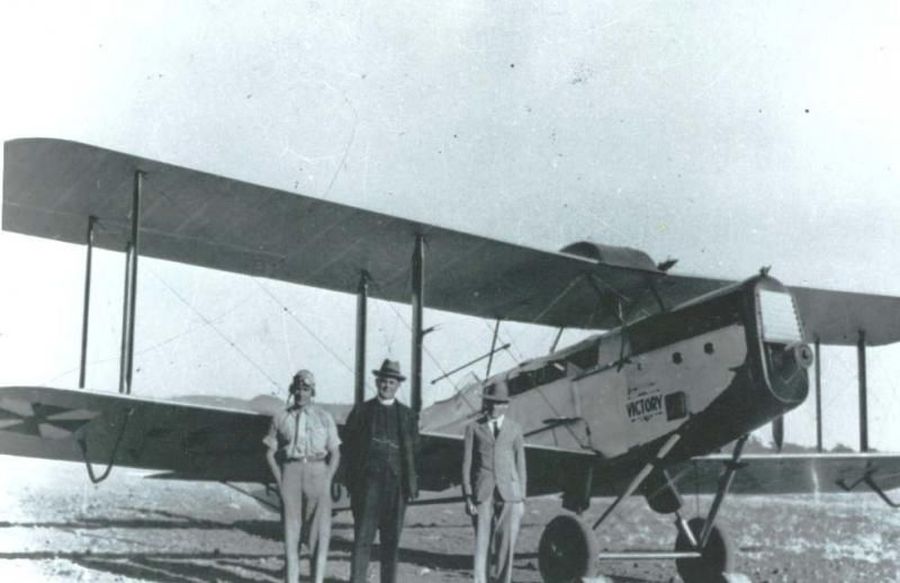
Two days later, on 17 May 1928, Dr Kenyon St Vincent Welch and Pilot Arthur Affleck took off in a single-engine De Havilland 50 bi-plane named Victory, bound for Julia Creek. 

With no navigational aids and only a compass for guidance, the crew followed fences, rivers, riverbeds, dirt roads and telegraph lines to reach their destination. 

That inaugural flight marked the beginning of one of the world’s first aeromedical services.

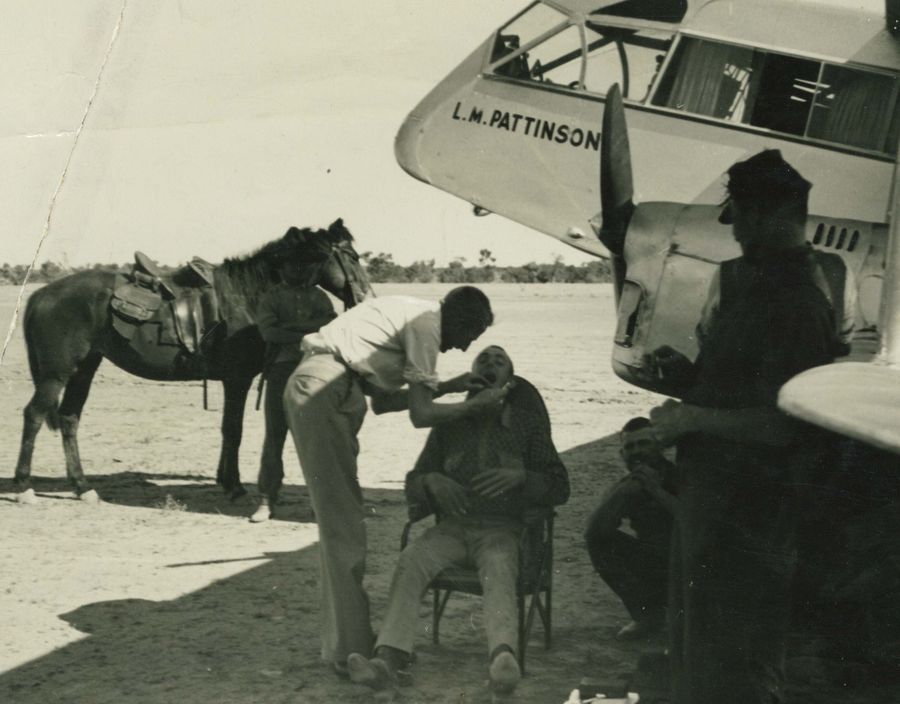
Sister Meg giving health instruction under the shade of the RFDS plane, 1985

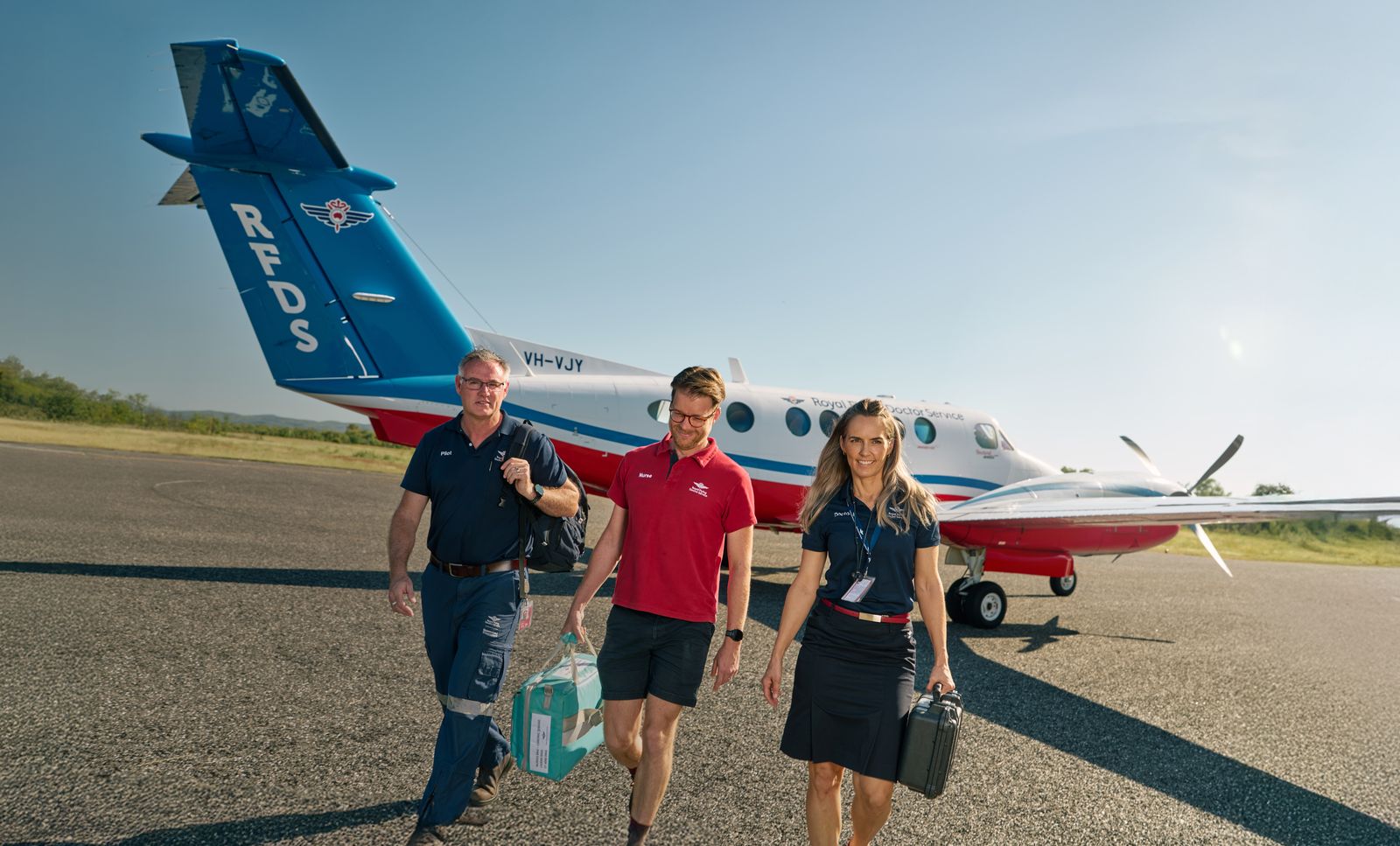
The RFDS is staffed by a dedicated team of pilots, doctors, flight nurses, engineers and support crew who provide a 24-hour emergency retrieval service and primary health care to remote communities. 

As demand for services continues to grow, the organisation relies on the generous support of the Australian public to deliver the best possible care to those who need it most.

Flying Doctor Day is an opportunity to celebrate 98 years of service and to honour the frontline crews who show up, every single day, for Australians living far from conventional health care. It is also a moment to look ahead. 

With the RFDS centenary arriving in 2028, this anniversary marks the beginning of a landmark countdown, two years away from 100 years of service to the nation.

Dentist RFDS QLD

This milestone comes days after the RFDS was named Australia’s Most Trusted Charity in the 2026 Reader’s Digest Trusted Brand Awards, for the sixth time. It is a recognition that reflects not just a brand, but a bond built over generations, one patient, one flight and one community at a time.

As the RFDS enters its 99th year, it remains as vital as ever, and as committed as it was on that first flight from Cloncurry, to ensuring that where someone lives never determines the care they receive.

AusCheck Price Increase

Auscheck increase

AusCheck price increase

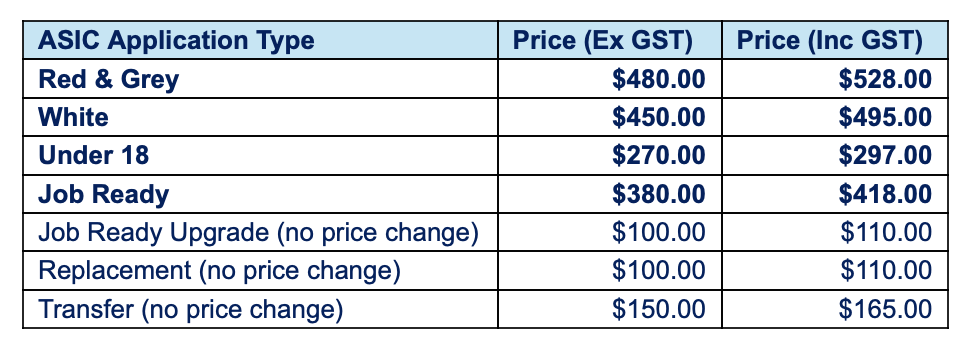
Following the Federal Government’s budget announcement last week, AusCheck, within The Department of Home Affairs, have advised they are increasing the cost price of an ASIC background check by 185%. AusCheck justifies the price hike as necessary so they can operate on a ‘cost recovery model’, claiming they have been operating at loss for several years.

As a result, our new pricing structure will commence for all applications submitted from Monday 22nd June 2026. This pricing is reflective of the new industry standard. All ASIC issuing bodies are affected by AusCheck’s latest price increase.

Please email any concerns to: AusCheck.Engagements@homeaffairs.gov.au[/vc_column_text]

auscheck increase

Neville’s Story

Nevillle's story

Article supplied by RFDS. When Neville talks about his life before connecting with the Royal Flying Doctor Service (RFDS) Tasmania, he doesn’t sugar coat it. “I had cancer and wasn’t expected to live.”

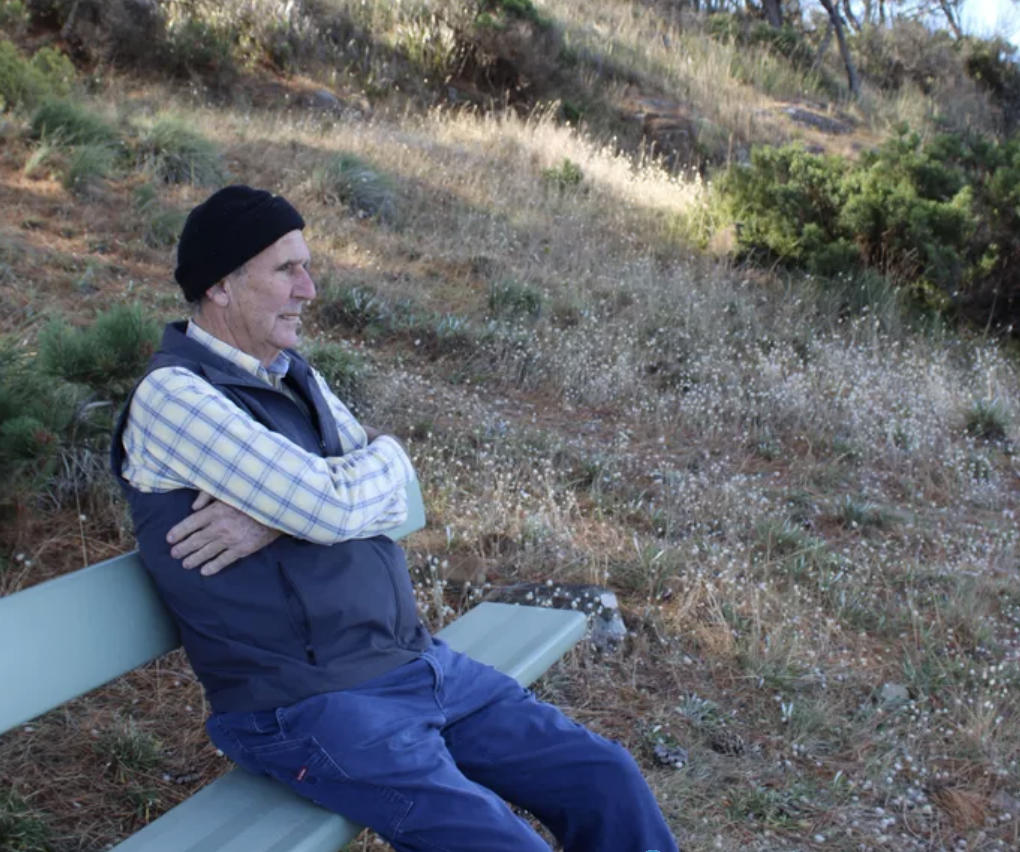
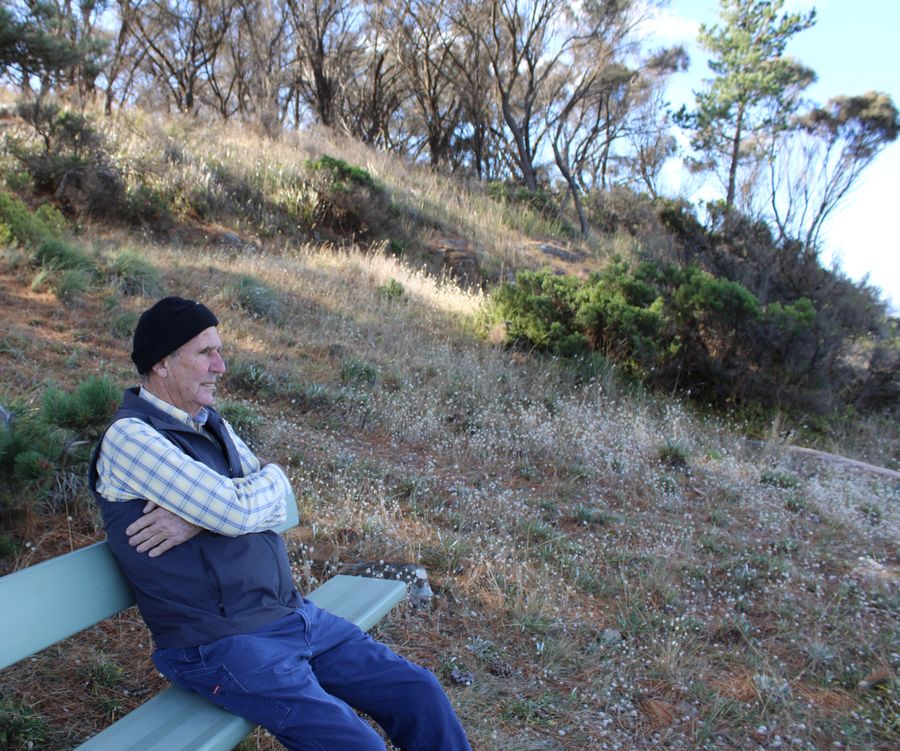
Neville on the bench at Swansea

Neville lives in Swansea on Tasmania’s East Coast. 

Five years ago, after a year‑long recovery from cancer that left his body weakened and exhausted, he was referred to RFDS Tasmania’s Physical Health program by his GP. 

At the time, his strength had deteriorated to the point where he could not stand or sit without assistance, let alone walk.

He describes that period with characteristic honesty: having 

“one foot in the grave and the other on a banana skin.”

The muscle mass he needed for everyday movement had gone, and a bout of COVID and pneumonia had taken his breath. While he needed physiotherapy to recover, the nearest service was a 40‑minute drive away, a journey that did more harm than good.

What Neville needed wasn’t just clinical support. He needed care that was local, consistent, and tailored to his condition.

That’s where RFDS Tasmania came in.

Relearning movement, rebuilding strength

Through the Physical Health program, Neville began working with RFDS clinicians in his own community. Slowly and carefully, he started to rebuild. 

“It was quite a journey, being taught to walk again, using different muscles, breathing.”

With weekly one‑on‑one and group sessions, the focus wasn’t just on recovery, but on understanding his body. Things like how to move safely, how to rebuild strength, and how to maintain progress over time. The support was personal, practical, and grounded in Neville’s day‑to‑day reality.

Over time, the results spoke for themselves.

Neville regained his strength and just as importantly, he regained his independence.

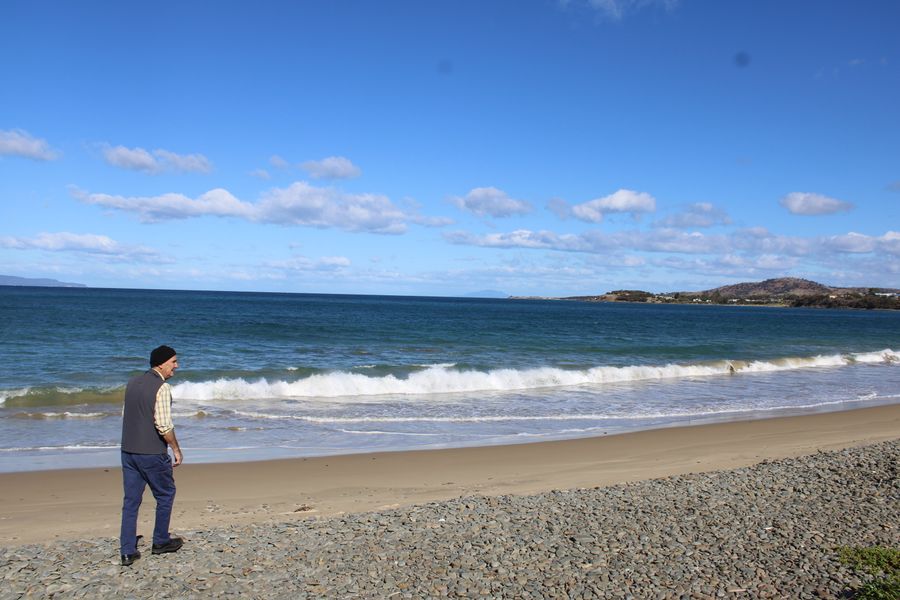
Neville at the beach at Swansea

“Having somebody that cares”

Today, Neville can do things he hasn’t been able to do for 10 or even 15 years, long before his diagnosis. He credits his progress not just to the exercises or the sessions, but to the understanding behind them.

“Having somebody that cares, rings you up and says, ‘is everything alright?’”

That consistent, local contact made all the difference. It helped Neville stay motivated, supported, and confident enough to keep pushing forward, even on difficult days.

“It has been a godsend to be able to get my health back…. It’s a joy to wake up. I’m very thankful for that.”

Care that strengthens whole communities

RFDS Tasmania’s Physical Health program supports people living with long‑term illness, including cardiovascular disease, musculoskeletal conditions and dementia. Delivered by Exercise Physiologists, Physical Health Workers and Rural Health Workers embedded in their communities, the program helps participants build functional strength, maintain mobility, and improve quality of life.

For people living in rural and remote areas, like Neville, access is everything.

Reaching people where they live doesn’t just improve individual health outcomes. In Neville’s experience, it strengthens the fabric of the community itself.

“Having it local here is absolutely fantastic… It makes a town. There are people that go to these groups and support each other. It brings people together.”

And for many Tasmanians like Neville, local support is life‑changing.